Woodworms vs. Termites: How Microwave Treatment Handles Both

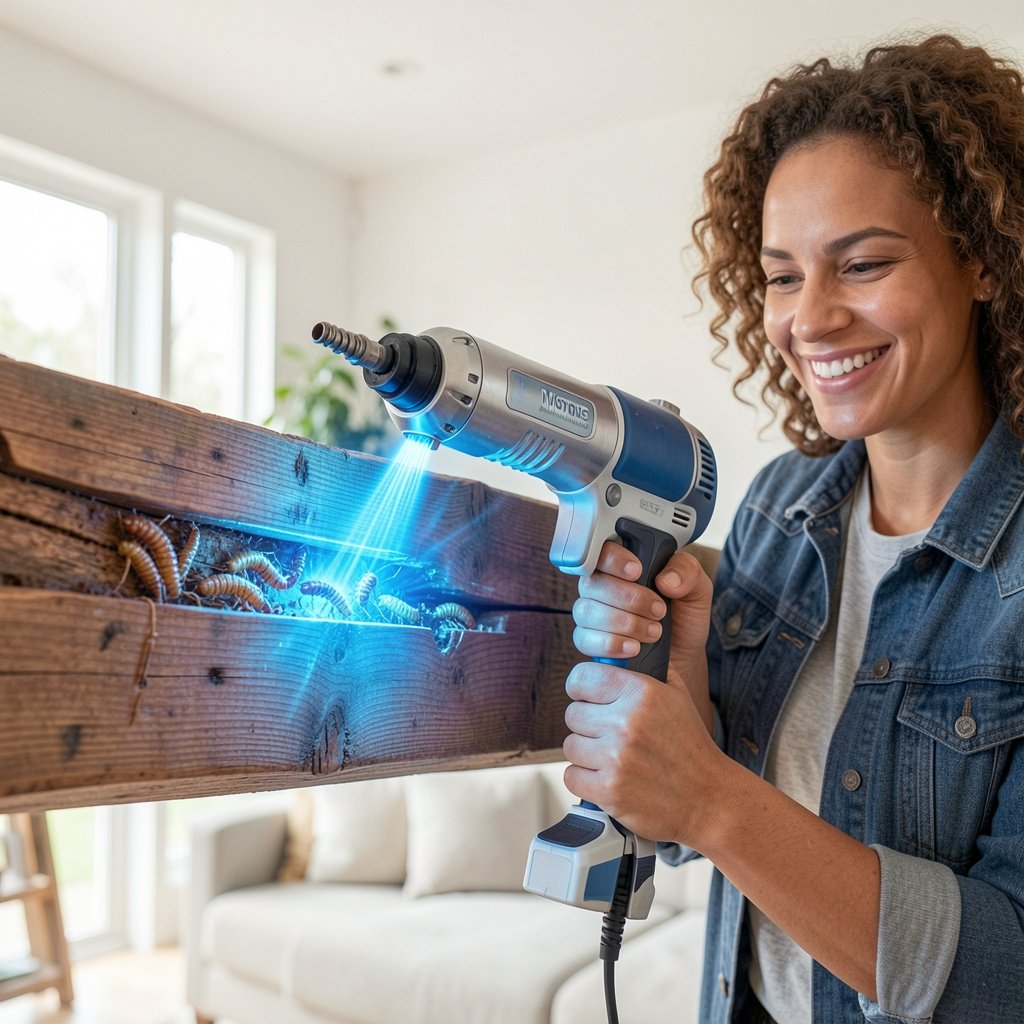
Wood-destroying pests are a serious concern for homeowners, businesses, and conservation professionals. Among the most damaging are woodworms and termites. Although both attack wood and can weaken timber structures, they are very different insects with distinct life cycles, behaviors, and patterns of damage. Understanding these differences is essential when choosing the most effective treatment.
Traditional pest control methods often rely on chemical insecticides or fumigation, but these approaches may not always be ideal for every situation. Modern microwave technology offers a chemical-free alternative that can effectively target wood-destroying insects inside timber. Companies like Shashel are helping property owners protect valuable wooden structures using advanced microwave treatment that combines effectiveness with environmental responsibility.
Understanding Woodworms
Despite their name, woodworms are not worms. They are the larvae of several species of wood-boring beetles. Adult beetles lay eggs in cracks or crevices in timber, and once the eggs hatch, the larvae tunnel through the wood while feeding on cellulose.
The larval stage can last anywhere from two to several years, depending on the species and environmental conditions. During this time, the larvae remain hidden beneath the surface, causing gradual damage before emerging as adult beetles through small exit holes.
Common signs of woodworm activity include:
- Small round exit holes
- Fine wood dust (frass)
- Weak or brittle timber
- Visible tunnels inside damaged wood
- Adult beetles appearing during warmer months
Because the larvae spend most of their lives inside the wood, they can be difficult to eliminate using surface-applied treatments alone.
Understanding Termites
Termites are social insects that live in colonies and feed continuously on wood and other cellulose-based materials. Unlike woodworms, termites do not develop inside the timber as larvae. Instead, worker termites travel through wood in search of food while remaining connected to their colony.
Some termite species build underground nests and travel through mud tubes to reach wooden structures, while others live entirely within dry wood.
Typical signs of termite activity include:
- Hollow-sounding timber
- Mud tubes along walls or foundations (for subterranean termites)
- Cracked or blistered wood surfaces
- Discarded wings from swarmers
- Doors and windows becoming difficult to close due to damaged wood
Because termites live in colonies, controlling an infestation often requires addressing both the insects inside the wood and the colony responsible for the damage.
Key Differences Between Woodworms and Termites
Although both pests damage timber, they behave very differently.
Woodworms:
- Are beetle larvae.
- Usually infest individual pieces of timber.
- Create round exit holes.
- Produce fine frass.
- Eventually emerge as adult beetles.
Termites:
- Live in organized colonies.
- Feed continuously on wood.
- Often leave the outer wood surface intact while hollowing out the interior.
- May construct mud tubes depending on the species.
- Can spread rapidly if left untreated.
Recognizing these differences helps determine the most appropriate treatment strategy.
Why Traditional Chemical Treatments Have Limitations
Chemical insecticides have long been used against both woodworms and termites, but they are not always the ideal solution.
Some common challenges include:
- Limited penetration into solid timber
- Chemical residues remaining after treatment
- Strong odors during application
- Multiple treatment sessions in some cases
- Environmental concerns associated with pesticide use
For heritage buildings, museums, antique furniture, and occupied homes, many property owners prefer methods that minimize chemical exposure.
This growing demand has encouraged companies like Shashel to develop innovative microwave-based treatment systems.
How Microwave Treatment Works
Microwave technology uses carefully controlled electromagnetic energy to generate heat inside timber.
Wood-destroying insects contain more moisture than seasoned wood. When microwave energy passes through the timber, water molecules inside the insects absorb the energy and vibrate rapidly, creating heat.
As the insects reach a lethal internal temperature, they are eliminated without the need for chemical pesticides.
Because microwave energy penetrates beneath the wood’s surface, it can reach insects hidden deep inside structural timber.
Microwave Treatment for Woodworms
Microwave treatment is particularly effective against woodworms because it targets every stage of the beetle’s life cycle within the treated area.
The treatment can eliminate:
- Eggs
- Larvae
- Pupae
- Adult beetles present inside the timber
This interrupts the beetle’s development and helps prevent new adults from emerging.
Modern systems developed by Shashel are designed to deliver controlled energy into infested wood while preserving the surrounding timber.
Can Microwave Treatment Help With Termites?
Microwave technology can also be effective against termites that are present inside accessible wooden structures. The heat generated within the treated timber can eliminate termites occupying those areas without the need for chemical pesticides.
However, it is important to understand one key difference.
For localized drywood termite infestations, microwave treatment can be a highly effective chemical-free option because the termites live within the wood being treated.
For subterranean termites, which maintain large underground colonies and travel into structures from the soil, treating only the infested wood may not eliminate the entire colony. Additional colony-management methods may be required to prevent reinfestation.
Professionals using Shashel technology typically assess the type of termite infestation before recommending the most appropriate treatment strategy.
Benefits of Microwave Technology
Microwave treatment offers several significant advantages.
Chemical-Free
No pesticides, fumigants, or insecticides are required.
Deep Penetration
Microwave energy reaches insects hidden beneath the wood surface.
Immediate Action
The treatment eliminates insects during the heating process rather than relying on delayed chemical exposure.
Environmentally Friendly
No harmful residues are left behind, making microwave treatment suitable for environmentally conscious property owners.
Preserves Valuable Timber
Historic buildings, museums, churches, antique furniture, and heritage structures benefit from non-invasive treatment methods.
These advantages have made Shashel microwave technology increasingly popular for protecting valuable wooden assets.
Where Microwave Treatment Is Most Useful
Microwave systems are commonly used in:
- Residential homes
- Timber-framed buildings
- Roof structures
- Wooden flooring
- Museums
- Churches
- Historic properties
- Antique furniture restoration
- Commercial buildings
- Heritage conservation projects
Its versatility allows professionals to address localized infestations with minimal disruption.
Preventing Future Infestations
After treatment, good building maintenance helps reduce the likelihood of future pest activity.
Recommended practices include:
- Keep timber dry.
- Repair leaks promptly.
- Improve ventilation.
- Inspect wooden structures regularly.
- Remove moisture sources.
- Monitor for early signs of insect activity.
Routine inspections help identify potential problems before extensive structural damage develops.
Conclusion
Although woodworms and termites are both capable of causing serious damage to timber, they differ significantly in their biology and behavior. Woodworms are beetle larvae that tunnel through wood for years, while termites are social insects that feed continuously as part of organized colonies.
Microwave technology offers an effective, chemical-free solution for eliminating woodworms and can also be highly effective for localized drywood termite infestations. For subterranean termite infestations, microwave treatment may form part of a broader pest management strategy because the underground colony also needs to be addressed.